
Who we serve
The same kerb, for four different people.
A managed kerb is not a revenue instrument with side effects. It is public infrastructure that can serve a municipality, a shopkeeper, a resident and a visitor at the same time, if it is designed to.
For municipalities
Rules that hold, and a number you can defend.
A city running parking manually knows what it collected. It rarely knows what happened: how many sessions occurred, how many were paid, how long a visit lasted, which bays carry the district, and where the pressure is moving.
- One accountable operator. One platform, one data model, one revenue figure, one audit trail.
- Compliance you can measure. The city sees how many sessions follow the posted rules, and where they do not.
- Policy that takes effect the same day. A changed tariff or maximum stay is a setting, not a project.
- Evidence on every notice. Paired entry and exit imagery, timestamped to the second.
- A full record for the term, retained and exportable, handed back with the estate.
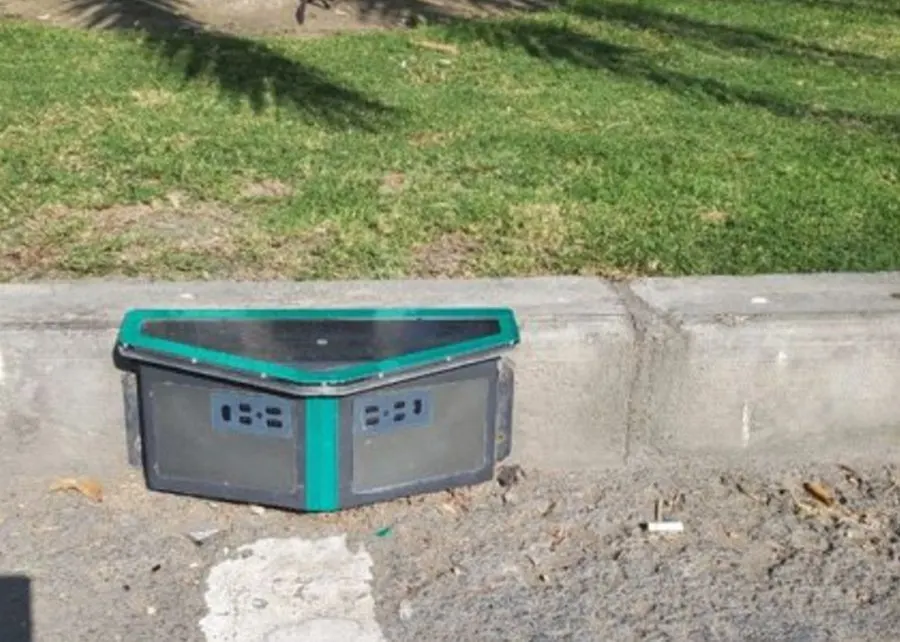
For merchants
The bay outside the door is how your customers arrive.
The value of a bay outside a shop is the trade it brings to the block, not the fee it collects. When the space is mismanaged, that trade is the first thing lost.
Turnover at the frontage
Where the city notifies a maximum stay and that stay is enforced, all-day vehicles move on. The bay serves several customers a day instead of one.
Validation: you can pay for their parking
A shop, clinic or restaurant can discount or cover a customer’s parking at the till. The customer sees the lower price at the moment of payment. Nothing to claim back, nothing to reimburse later.
Loading that works
Time-of-day loading rules, dwell limits and commercial permits, so a delivery can reach the door at the hour it is needed.
You set the terms, and the ceiling
Merchant participation fails wherever the merchant cannot control what it costs. So every parameter belongs to the merchant: how many validations, of what value, at which outlets, up to what monthly ceiling. A chain or a merchants’ association can administer many outlets together. The city collects its posted tariff in full either way. The merchant’s account funds the difference.
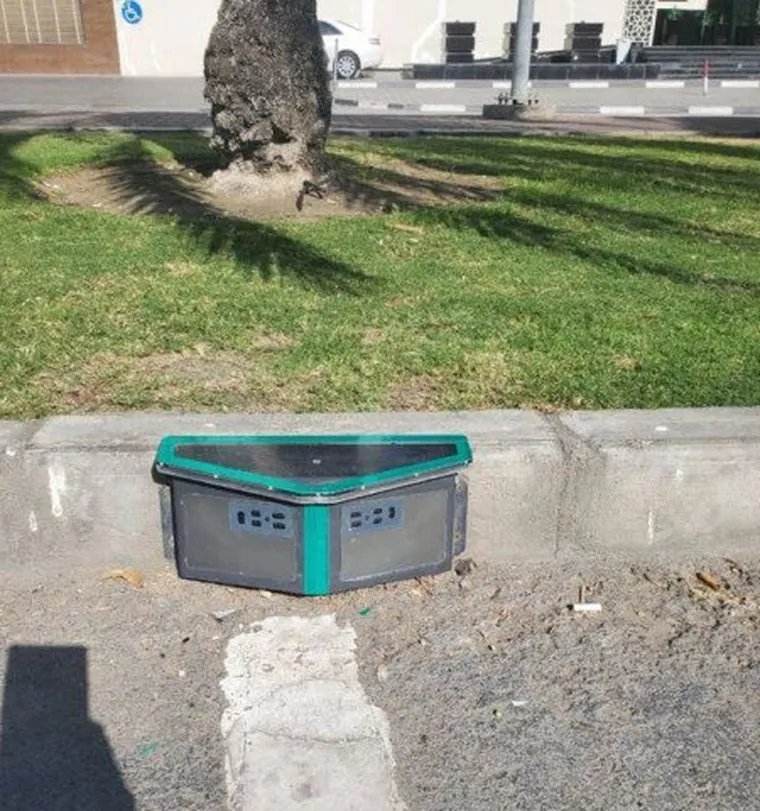
For residents
Predictable access near home, and no counter to visit.
For many residents, the problem is not price. It is that the space near home is taken all day by somebody who does not live there.
- Digital permits tied to the plate. Apply, renew and manage online. No sticker, no windscreen card, nothing to lose.
- Recognised automatically in the field. A permitted vehicle is not stopped, checked or ticketed.
- Classes that match real life. Resident, resident visitor, carer, business, staff and accessible, each with its own rules and quota.
- Accessible bays kept usable. Every accessible bay is sensed, and misuse is detected with evidence on every occasion.
For visitors and motorists
Pay in Arabic or English. No account, no download.
Most people who park in a city centre do not live there and will not enrol in anything. A scheme that asks for an account first turns visitors away.
- Contactless at the kerb: card, phone or watch.
- Arabic and English on the kerbside unit and in every notice.
- Scan and pay where a driver prefers the phone, with no app to install.
- Guidance to a free bay, so the end of a journey is not spent circling.
- A clear way to contest a notice, with enforcement suspended while an appeal is live.
At the kerb
- Park in a marked bay.
- Tap a card, phone or watch, or scan the code. Arabic or English.
- Done. No account to open, nothing to install.
Two consequences worth stating
What a managed kerb does beyond the street it sits on.
People move to better work
Automated detection means enforcement no longer depends on officers walking a beat in extreme heat, checking plates by hand. That work becomes supervision, service and the care of city infrastructure: better work, done in better conditions, by the same people.
Less circling, less emission
In a busy district, some of the traffic is not going anywhere. It is looking for a space. Turnover and guidance cut that directly, which shows up as less congestion and lower emissions on the same streets.
A parking programme experienced as a revenue trap creates a political cost that outlasts the revenue.
What would change in your city?
The answer depends on what your kerb does today. A parking study measures that, so nobody has to guess.
Talk to us