
Technology
Technology serves the plan. It does not replace it.
We choose equipment after the plan and the policy are agreed. Each part of the system exists to make a city rule work on the street, or to give the city evidence.
On the street
Six capabilities a managed kerb needs.
Each block has its own layout, demand and constraints. We choose the form factor to fit the street. The system behind it is the same.
Bay-level sensing
Each chargeable space knows if it is occupied, and for how long. This gives the city the occupancy and turnover data that policy depends on.
Kerbside payment
Contactless and scan-to-pay at the kerb, in Arabic and English, with no account needed. Solar powered, so no power connection is necessary.
Automated enforcement
Contraventions detected and recorded as they happen, with paired images and timestamps. Each notice is defensible, and each appeal is decided on the record.
Digital permits
Residents, businesses, staff and accessible-bay holders apply and renew online. The plate is the permit. There is nothing to display.
Guidance and wayfinding
Signs and in-app directions to available space, so drivers stop circling.
The city’s system of record
One place for occupancy, sessions, revenue, permits, notices and appeals. One set of numbers that the city, the merchant and the motorist all read.
The equipment
Proven products, chosen to fit each street.
These are the main products we deploy. The parking plan decides which ones a street needs, and where they go.
-
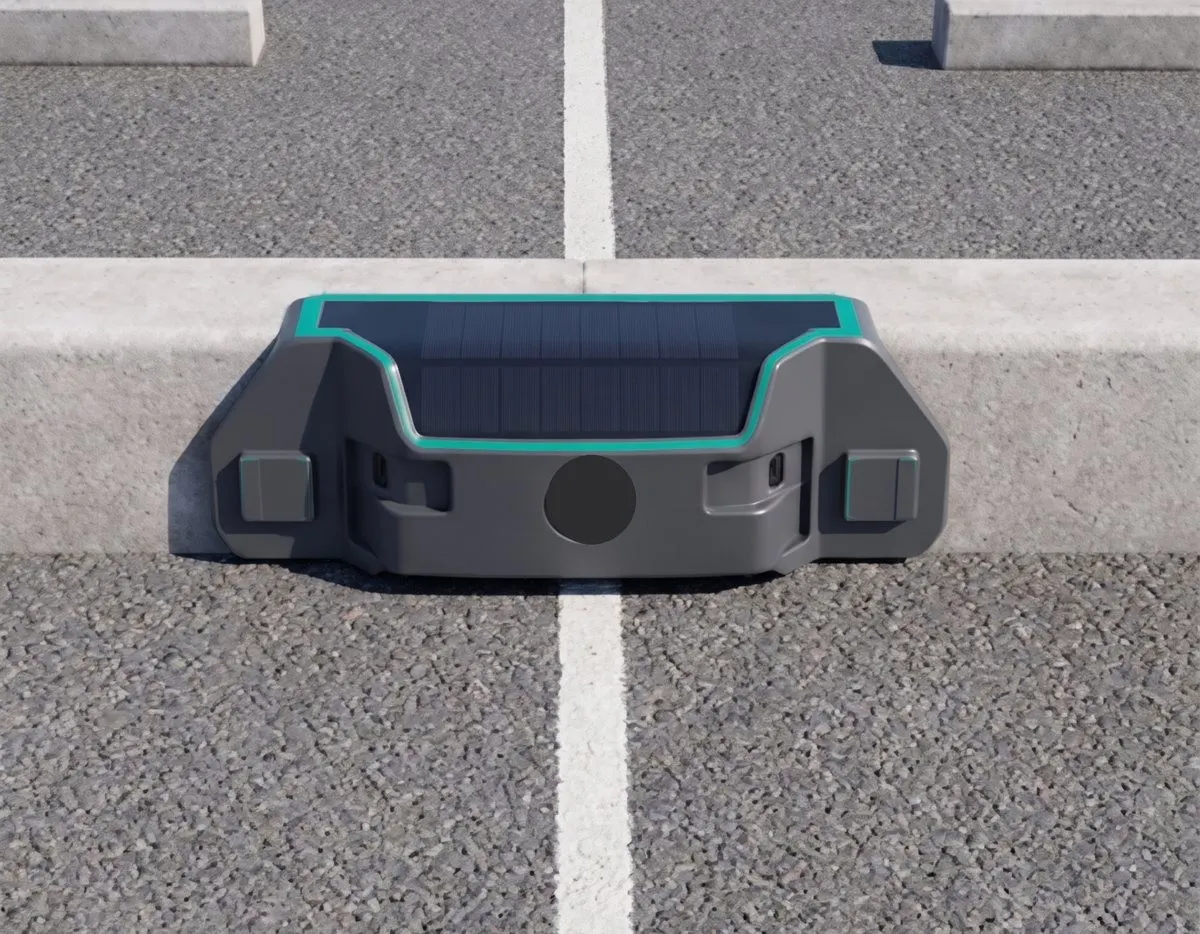
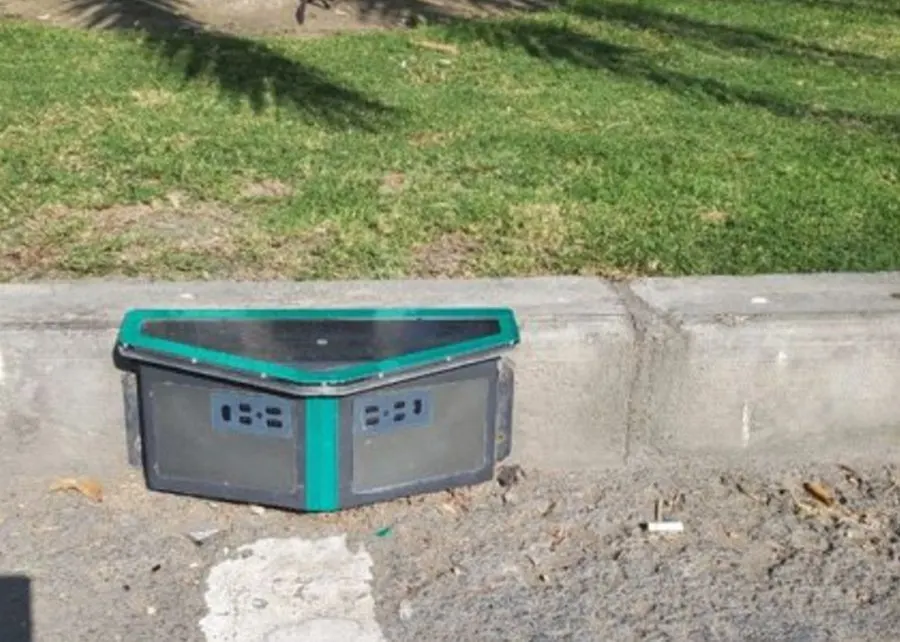
Kerb-face bay sensor
Solar powered and wireless. Mounted on the kerb face. Records occupancy and plate for each bay.
-
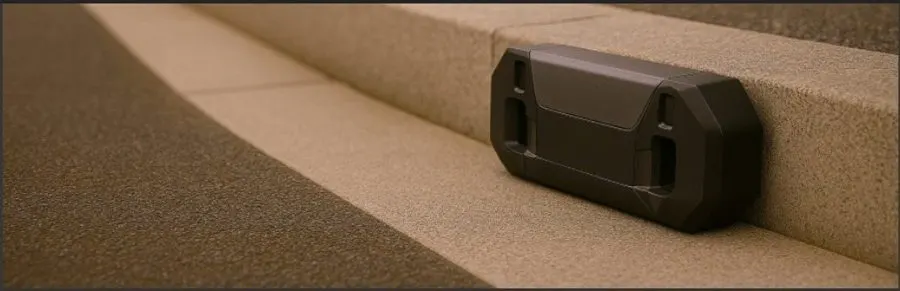
Top-of-kerb sensor
Sits on top of the kerb where the kerb face is low or broken. One unit serves two adjacent bays.
-
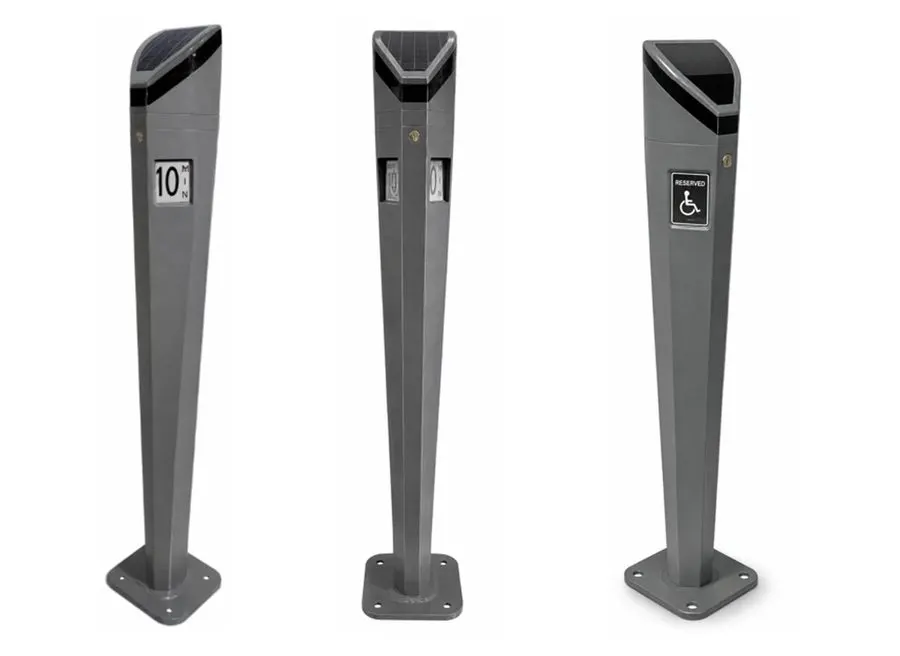
Smart bollard
One solar housing in three configurations: bay signage, payment, or reserved‑bay detection.
-
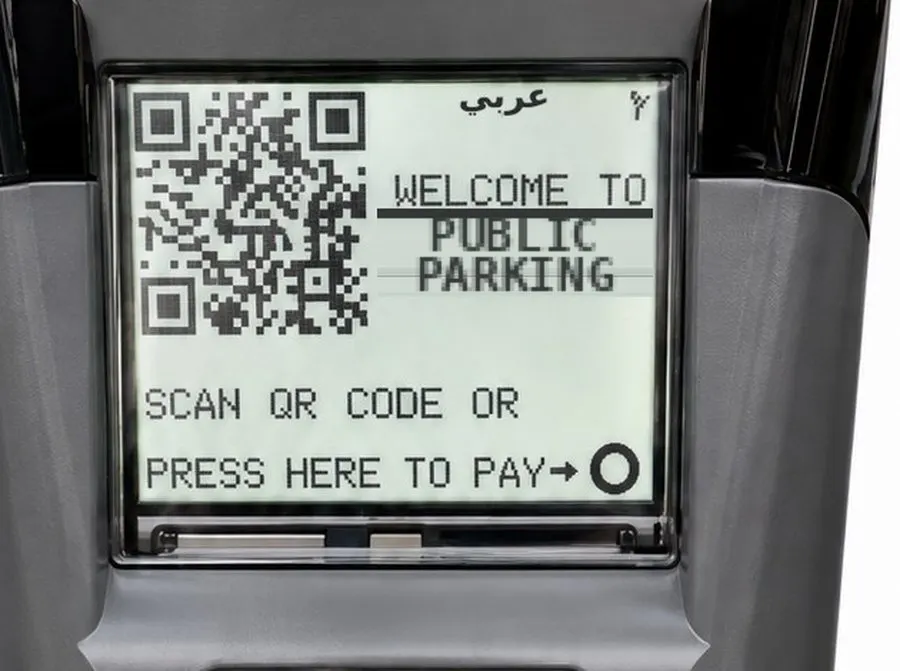
Kerbside payment
Contactless and scan-to-pay, in Arabic and English. No account and no app needed.
-
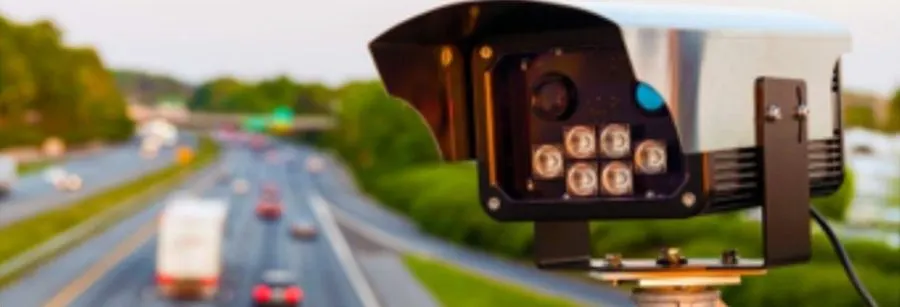
Pole-mounted plate camera
Fixed plate recognition for roads, entrances and car parks. Multi‑lane from one mount.
-
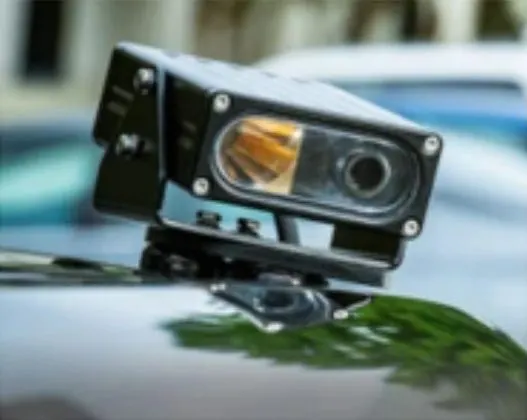
Vehicle-mounted plate camera
Vehicle mounted. Reads plates in motion and checks payment and permit status live.
-
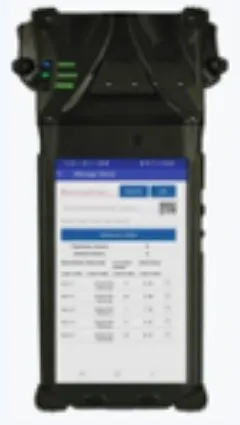
Handheld plate reader
For foot patrols. Scan a plate, check the session, and record a notice with photo evidence.
-
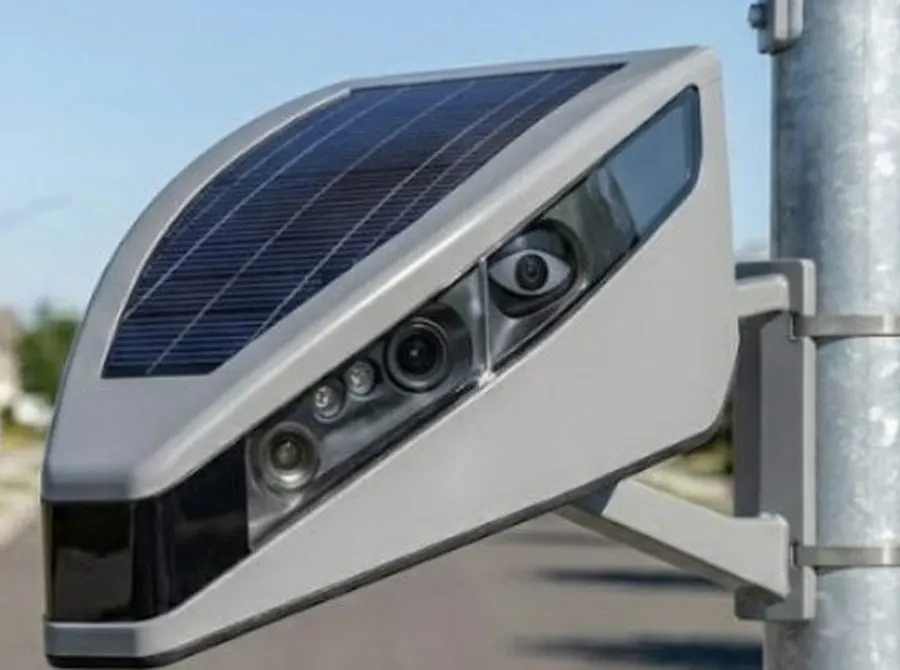
Solar network gateway
Pole mounted. Relays data from sensors and bollards to the platform, with no cable run.
Fitted to the street
Public space should not need rebuilding to be managed.
Equipment that needs civil works, trenches or a power supply arrives late and disturbs the street it is meant to help. We install at the kerb edge, on solar power and wireless links. Most zones need no civil works at all.
A managed street should look like a street, not like a toll plaza.
How we source
We source the best technology globally, and localise it for Oman.
We select proven technology from the best sources available. We then localise it here: assembled, configured and tested in the Sultanate, tuned to Omani plates and Gulf conditions, and supported from inside the country for the life of the estate.
Beyond the bay
Parking assets can carry more than parking.
A managed estate can also carry services that would otherwise need their own programme. We plan these with the city as part of the parking strategy.
EV charging
Charge points in managed bays. Charging time and parking time follow the same rules and the same account.
Solar shading
Shade for vehicles in Gulf summer conditions, and power generation from the same structure.
Structured parking
Multi-storey car parks, where the evidence supports them, on the same platform. The city sees one occupancy picture, not two.
Start from the street, not the specification
Tell us what a street is for and how it behaves today. The equipment list follows from that.
Talk to us